Local SEO for Australian Small Businesses: Google Business Profile, Reviews & Citations
Local SEO for Australian small businesses isn't "getting on Google Maps." It's a fixed sequence — fix your Google Business Profile first, get your name/address/phone consistent across directories, then build a steady review flow — done consistently for months, not as a one-off.
- Published
- Read time
- 7 min
- Words
- 1,740
Article body
Last updated · written by Mitchell Knight
- Local SEO isn't "getting on Google Maps" — it's a fixed sequence done in order: Google Business Profile first, then consistent citations, then a steady flow of genuine reviews.
- Your Google Business Profile is the single source of truth; get the name, address, phone, category, hours and real photos right before anything else.
- Keep your name, address and phone identical everywhere, and prioritise directories your customers actually use over dozens of obscure listings — consistency is the whole game.
- Reviews move the dial most: ask every happy customer directly at the moment they're happiest, never incentivise, and reply to every review.
- The work is simple but repetitive; back the profile with a fast, matching website (Core Web Vitals have been a ranking factor since June 2021), and the only honest reason to pay an agency is that you won't keep doing it yourself.
Local SEO for an Australian small business isn't "getting on Google Maps." It's a fixed sequence done in order: fix your Google Business Profile first, make your name, address and phone identical everywhere they appear, then build a steady flow of genuine reviews — and keep doing it for months, not as a one-off afternoon. The work isn't complicated. It's repetitive, deliberate and unglamorous. That's exactly why most businesses skip it, and exactly why it works.
I'm Mitchell Knight — I run Soaringwebs out of Brisbane and do this for AU service businesses every week. The whole of local SEO below is something you can do yourself. The only honest reason to pay someone is that you won't keep doing it. More on that at the end.
The real sequence: Google Business Profile comes first, citations second

You cannot skip Google Business Profile and jump to reviews. You cannot build reviews on a broken profile. And you absolutely cannot list yourself across a dozen directories when your business description still says "open Monday–Friday" and the address is wrong.
Google Business Profile is your single source of truth — the control centre every customer-search funnel runs through. If that profile is incomplete or outdated, citations (mentions of your business on third-party directories) become noise. Spend this week fixing the profile. Everything else flows from that.
Step through these fields:
- Business name — match it exactly to your ABN registration. "John's Pizza" is not the same as "Johns Pizza" or "John Pizza Bar" for algorithmic purposes. Resist the urge to stuff keywords into the name ("John's Pizza | Best Pizza Brisbane Cheap Delivery") — that's a guideline violation Google can suspend you for.
- Address and service area — enter your actual street address. If you service multiple suburbs, add them to the "service area" section, don't fake a second address.
- Phone and website — use a single, consistent phone number across every channel. It's common to find a business running three different numbers spread across their profile, website and Facebook. Pick one and make everything match it; the inconsistency itself is what hurts you.
- Business category — pick ONE primary category that matches what you actually do. A plumbing company picking "plumber" instead of "emergency plumber" loses searches for the specific service it most wants. This single field quietly sets which searches you're even eligible to appear in.
- Description — 750 characters, no keyword stuffing. Write the way a human would describe the business to a friend: what you do, for whom, and why they might call you instead of your competitor.
- Hours — update these the moment they change. A profile telling people you're open when you're shut is the fastest way to earn a one-star "drove there, closed" review.
- Photos — add real ones (shopfront, team, finished jobs) and keep adding them. Stock images carry almost no weight; Google is good at spotting them.
Once that profile is locked down, you move to citations.
Citations: where they matter and where they don't
A citation is simply a mention of your business name, address and phone number (NAP) on another website. Not a link. Not content you create. Just data.
Most agencies treat every citation as equal. They're not. A citation on a niche industry directory (a hair-salon aggregator if you're a salon) is worth more than one on a generic "list all Australian businesses" site.
Prioritise directories your actual customers use:
- Google Maps and Google Business Profile (not optional)
- Industry-specific platforms (e.g. Bark, Hipages, ServiceSeeking for trades; Yelp for hospitality; Fresha or Mindbody for wellness)
- Major aggregators: Yellow Pages, True Local, Localise
- Social platforms where you already have a profile: Facebook, Instagram (if you maintain them)
Consistency is the only thing that matters here. If your address reads "Unit 4/62 Waterford Road, Ipswich" on your website but "4-62 Waterford Road, Ipswich" on Hipages, you're giving Google a reason to wonder whether these are the same business. That ambiguity is what suppresses ranking.
Audit your current citations: search "[your business name] [your suburb]" and note every site you appear on. Log into each one and verify the NAP matches exactly what's on your Google Business Profile. Then stop. Adding yourself to 47 obscure listings costs time and creates inconsistency risk — the opposite of the goal.
Reviews: the one thing that actually moves the dial
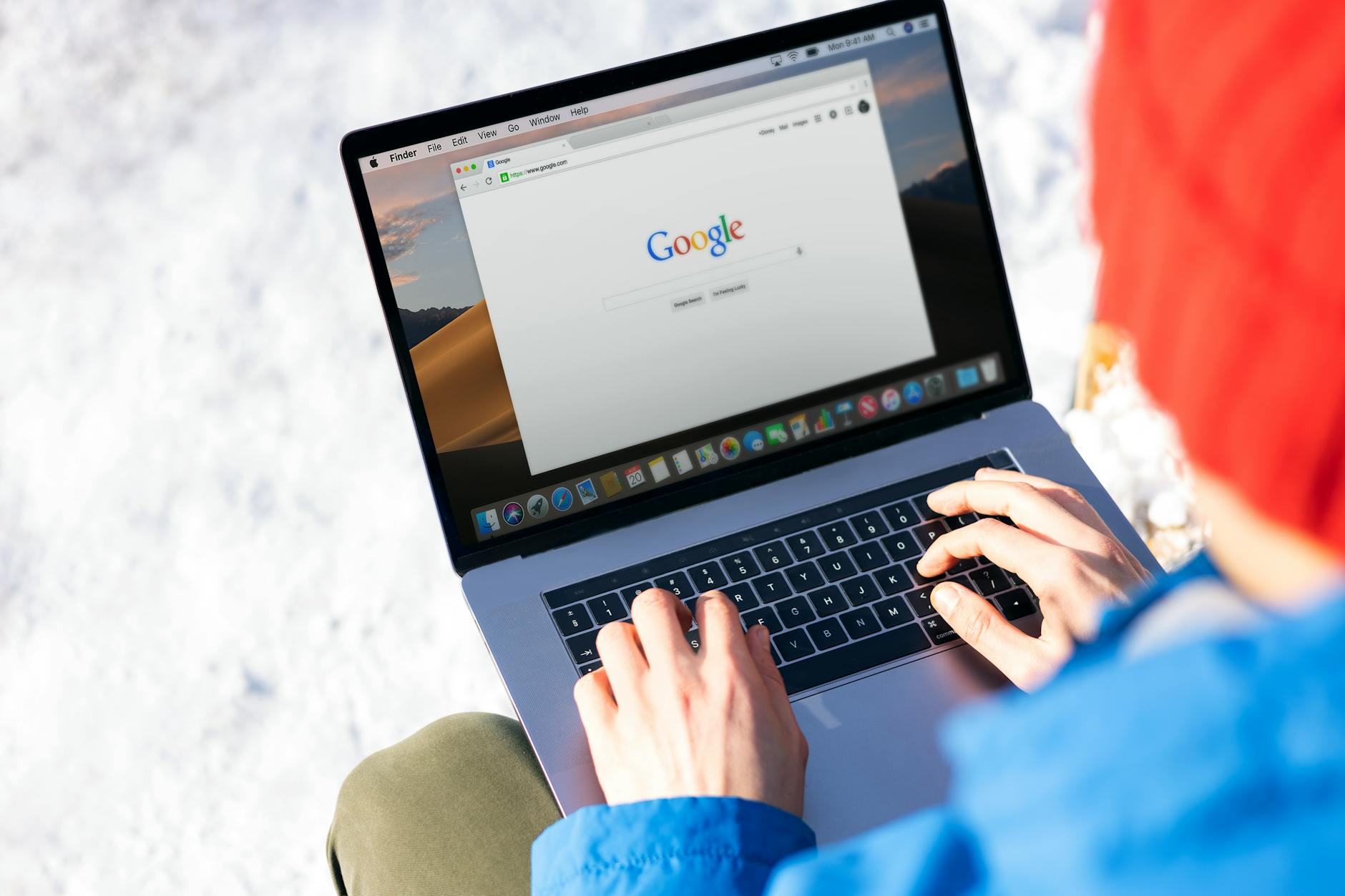
Reviews are the part that genuinely moves you up the map pack, and the mechanism is simple: most happy customers will leave a review if you ask them directly and make it easy, and almost none will if you don't. The gap between "we asked" and "we hoped" is the entire game.
The moment you fix your profile and citations, start asking. Not later. Now.
Set up a simple system:
- Ask at the moment they're happiest — the end of the job, the handshake, the moment they see the result. If you can't ask in person, send a text or email within 48 hours with the direct link to your review form (your business-specific URL, not a generic Google link).
- Make the ask explicit: "We'd love a review on Google if you had a good experience. Takes 90 seconds and genuinely helps other people find us."
- Repeat it forever. Build it into your job-completion routine so it isn't a thing you remember to do — it's just what happens at the end of every job.
- Never incentivise. Offering a discount for a review breaches Google's policy and, when Google strips the reviews, you lose the lot. The honest version is slower and it's the only one that survives.
Two things matter beyond the count. Recency: a steady trickle of recent reviews tells Google you have current customer momentum, which a big batch from three years ago does not. And response: reply to every review, good and bad. Owner engagement is a signal in itself, and a calm, specific reply to a bad review reassures the next reader far more than a wall of unanswered five stars.
Don't forget your actual website — including how fast it loads


Google cross-references your profile and your website. If your profile says you're an electrician in Redcliffe and your website never mentions Redcliffe and buries "electrician" three clicks deep, that mismatch costs you. The strongest local businesses run a dedicated service-area page that mirrors the profile, use the same language in both places, and back it with schema markup. Your website's job is to be the evidence that your profile's claims are true.
Speed is part of that evidence. Since June 2021, Core Web Vitals — how fast a page loads, how quickly it responds to a tap, how stable it is while loading — have been an official Google ranking factor, and on the phone-heavy traffic that "near me" searches send you, a slow page leaks customers. The numbers from the big players are blunt: Walmart found every one-second improvement in load time lifted conversions by up to 2%, and the BBC reported losing 10% of users for every extra second their pages took to load. You don't have BBC traffic, but the direction is the same — a customer who taps your result and waits is a customer the faster competitor gets.
The only question that matters first
Before you optimise anything, decide: are you trying to rank for searches inside your service area, or build brand awareness at scale? A tradie in Paddington chasing "plumber near me" — that's local SEO, and the steps above are the whole job. A wellness brand building a following across three states — that's brand strategy, and local SEO is one small tool inside it.
Most small businesses need the first one. Your revenue doesn't come from rank awareness; it comes from calls and bookings from people who already know they need your type of service and are searching for it nearby. For that goal, profile → citations → reviews → a fast, matching website gets you most of the way there in a few months of consistent work.
When you do need an agency


Here's the honest line most agencies won't give you: the repetition is where everyone stumbles, and the repetition isn't skilled work. Asking every customer, updating hours the day they change, keeping NAP straight across a dozen sites — it's boring, necessary maintenance. If your team has the discipline to do it for twelve months straight, you don't need us.
If you can't stomach another recurring task, hand off the maintenance — not a full rebrand, not a redesign you don't need, just the profile-and-review upkeep. We publish our prices so you can sanity-check the cost before you talk to anyone: Google Business Profile management starts from A$400/mo, and broader SEO from A$900/mo with no lock-in (see our SEO service and pricing). Most agencies hide that number until they've got you on a call; we don't, because the whole pitch here is honesty over the hard sell.
Who this is for
This is for you if you're an AU service business — a tradie, clinic, cafe or local operator — chasing "near me" calls and bookings inside a defined service area, and you either have the discipline to do the profile-citations-reviews upkeep yourself or you want to hand off that maintenance to someone who will.
It's not for you if you're building national brand awareness at scale or selling online to the whole country — local SEO is one small tool inside that, not the main job. And if you want a guaranteed top spot or a one-off afternoon fix, this isn't it: the whole point is that local SEO is consistent, repetitive work done over months.
If you're trying to decide right now
Start here: pull your Google Business Profile and audit every field against the checklist above. Spend an afternoon fixing what's broken. Then ask three customers this week for a review and watch whether they leave one. If two do, you've validated the whole system for your business — scale it from there. Or grab a free audit and we'll tell you exactly which gap to close first.

Mitchell Knight
Founder & Lead Strategist, Soaringwebs
Mitchell founded Soaringwebs in 2022, and has built websites and run marketing for Australian small businesses since 2020. He writes about paid media, local SEO, and the craft of fast websites — and personally works on the Brisbane sites we build every week.
The ones we always get.
Local SEO is the work that makes your business show up when someone nearby searches for what you do — "plumber near me", "physio Bulimba". For a service business, that map-pack visibility is where the calls and bookings come from. It matters because most customers look you up before they call, and if your Google Business Profile and website don't line up, you lose that customer to a competitor who did the boring upkeep.
Want a free read on your site?
We'll send back a real, plain-English audit covering speed, SEO, conversion, and accessibility — usually inside 48 hours. No obligations, no follow-up spam.